Peugeot 208 MOT Guide: Common Failures, Costs & How to Prepare
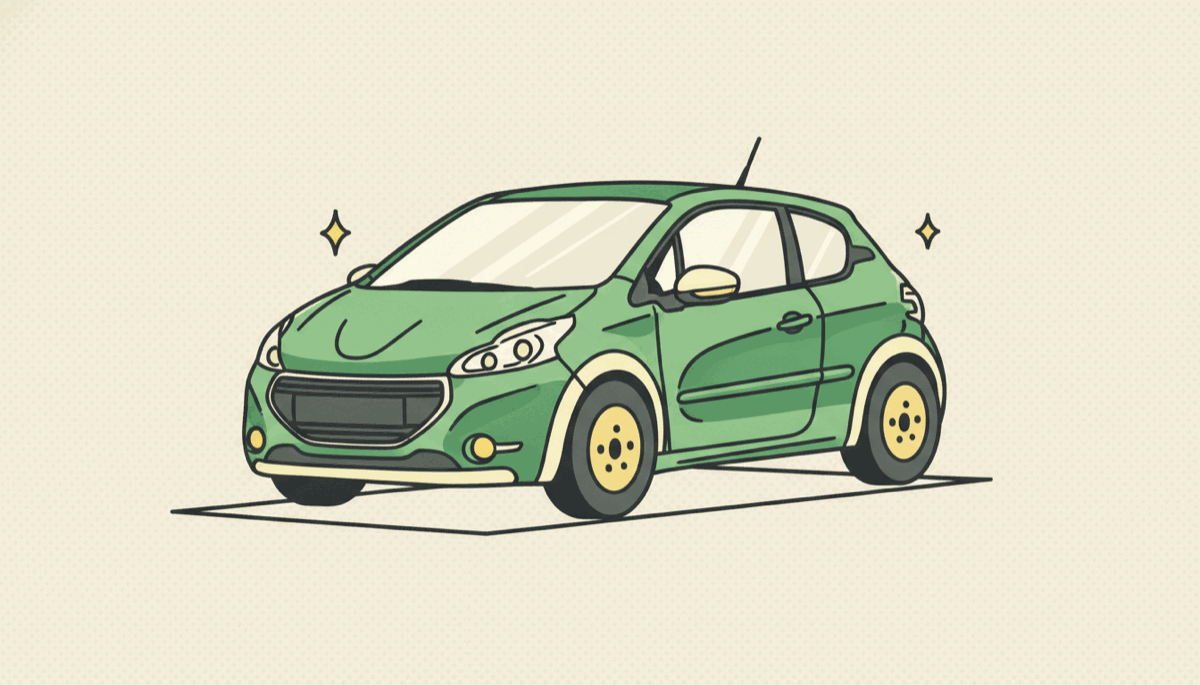
The MOT fee is capped at £54.85 for any car, so cost differences come from repairs. On the 208, watch diesel DPF clogging and AdBlue faults, Mk1 front coil springs and steering rack play, and the Mk2 1.2 PureTech timing belt (it is a belt, not a chain) due at 60,000 miles. The electric e-208 skips the emissions test but still fails on corroded brake discs.
Peugeot 208 MOT Guide: Common Failures, Costs & How to Prepare
The Peugeot 208 has quietly become one of the UK's most popular superminis. Since launching in 2012, it has sold in huge numbers and is now a regular sight at MOT stations across the country. The second-generation model — including the fully electric e-208, which won European Car of the Year in 2020 — has only added to that popularity.
But popularity doesn't mean problem-free. The 208 has well-known weak spots that MOT testers see again and again. This guide covers the most common Peugeot 208 MOT failures by generation, what they cost to fix, and how to prepare for a first-time pass.
Peugeot 208 Generations at a Glance
| Generation | Years | Engine Options | Notes |
|---|---|---|---|
| Mk1 (A9) | 2012–2019 | 1.0/1.2 PureTech petrol, 1.4/1.6 BlueHDi diesel | The original. Huge numbers still on the road. Diesel variants have particular issues. |
| Mk2 / e-208 (P21) | 2019–present | 1.2 PureTech petrol, 1.5 BlueHDi diesel, fully electric (e-208) | Sharper styling, more tech, and an EV option. The PureTech timing belt is the big talking point. |
Mk1 Peugeot 208 (2012–2019): What to Watch For
These are now between 7 and 14 years old, so many are well into their MOT life. The petrols are generally solid, but the diesels have a few pain points that are worth knowing about before test day.
Common Failure Points
1. AdBlue system failures (1.6 BlueHDi) — Common and costly
The 1.6 BlueHDi diesel uses an AdBlue injection system to meet emissions standards. When it goes wrong — and it does — you'll get warning lights, limp mode, and ultimately an emissions failure at MOT. The injector, pump, and tank heater are all known weak points.
- Symptoms: AdBlue warning light, engine management light, reduced power or limp mode
- Cost to fix: £300–£800 depending on the component. A full AdBlue pump replacement is at the top end.
- DIY? Not really. The system needs diagnostic equipment to reset properly after repair.
2. DPF clogging (all diesels) — Especially urban drivers
The diesel particulate filter on Mk1 208s clogs up quickly if the car is used mainly for short trips around town. A blocked DPF will cause an emissions failure and is one of the most common reasons 208 diesels fail their MOT.
- Symptoms: DPF warning light, loss of power, rough idle, increased fuel consumption
- Cost to fix: £100–£300 for a forced regeneration. £800–£1,500 for a full DPF replacement if it's beyond saving.
- DIY? You can try a long motorway run at 2,500+ RPM for 30–40 minutes to trigger a regeneration. If the light stays on, it needs professional attention.
3. Front suspension springs — Snapping at the lower coil
Much like many French cars of this era, the Mk1 208 is prone to broken front coil springs. They corrode at the base and eventually snap, usually where they sit on the spring perch. A broken spring is an immediate MOT failure.
- Symptoms: Clunking over bumps, car sitting lower on one side, visible gap in the spring coil
- Cost to fix: £80–£150 per side (parts and labour)
- DIY? Possible with spring compressors, but not a job for beginners.
4. Steering rack play
Wear in the steering rack is a known issue on higher-mileage Mk1 208s. The MOT tester will check for excessive play, and a worn rack will fail. You might not notice it day-to-day, but the tester will.
- Symptoms: Vague steering feel, slight knocking when turning at low speed, uneven tyre wear
- Cost to fix: £400–£700 for a replacement steering rack (refurbished is often available and cheaper)
- DIY? No. This is a garage job.
5. Headlamp condensation
Moisture getting into the headlamp units is a common complaint on the Mk1 208. If the condensation is bad enough to significantly reduce light output, it can result in an MOT failure.
- Symptoms: Visible misting or water droplets inside the headlamp lens
- Cost to fix: £20–£50 for resealing. £150–£300 per unit if the headlamp needs replacing.
- DIY? Resealing is a reasonable DIY job if you're comfortable removing the headlamp unit.
6. Wiper motor issues
The front wiper motor on Mk1 208s can fail or become intermittent. Non-functioning wipers are a straight MOT failure, so this needs sorting before test day.
- Symptoms: Wipers slow, stopping mid-sweep, or not working at all
- Cost to fix: £100–£200 for a replacement motor fitted
- DIY? Yes, fairly straightforward with basic tools.
Mk2 Peugeot 208 / e-208 (2019–Present): What to Watch For
The Mk2 is a much more modern car, and it's still relatively young in MOT terms. Early examples are now reaching their first or second test. The petrol models have one significant issue that every owner needs to be aware of, and the electric e-208 has its own quirks too.
Common Failure Points
1. 1.2 PureTech timing belt — This is a belt, not a chain
There is a widespread misconception that the 1.2 PureTech engine uses a timing chain. It does not. It uses a timing belt, and Peugeot's recommended replacement interval is 60,000 miles or 6 years. A snapped belt will destroy the engine. While the belt itself isn't an MOT item, a rough-running engine due to belt stretch or misfires will fail on emissions. If you're anywhere near 60,000 miles, get it done before your MOT.
- Symptoms: Rattling noise from the engine on cold start (early warning of belt wear), rough running, misfires
- Cost to fix: £400–£600 for a preventative timing belt and water pump replacement. Considerably more if the belt snaps.
- DIY? No. This requires specialist tools and experience.
2. LED headlight unit failures
The Mk2 208 uses LED headlights as standard on most trims. They look great, but when they fail, you're looking at a complete unit replacement rather than a simple bulb change. A faulty headlight is an MOT failure.
- Symptoms: Partial LED failure (some segments not illuminating), flickering, complete headlight failure
- Cost to fix: £400–£800 per unit. These are expensive because the LED elements are integrated into the headlamp assembly.
- DIY? Replacing the unit itself is manageable, but the cost of the part is the issue.
3. Electronic handbrake problems
The Mk2 208 uses an electronic parking brake. When it works, it's fine. When it doesn't, you've got an MOT failure on your hands. Seized calipers and motor failures have been reported on some early examples.
- Symptoms: Handbrake warning light, handbrake not engaging or releasing properly, grinding noise when applied
- Cost to fix: £200–£500 depending on whether it's the motor, caliper, or wiring.
- DIY? Not advisable. The electronic handbrake needs diagnostic software to calibrate after repair.
e-208 EV: Different MOT Considerations
If you own the fully electric e-208, your MOT experience is different. No engine, no exhaust, no emissions test, no timing belt. But the MOT still covers brakes, steering, suspension, lights, tyres, and bodywork.
One issue specific to EVs including the e-208 is brake disc corrosion from regenerative braking. Because regen does most of the slowing, the conventional brakes get used less. The discs develop surface corrosion and the pads can glaze, reducing braking performance. If severe enough, it will fail the MOT.
The fix is simple: use your conventional brakes more often. A few firm stops from speed once a week will keep the discs clean.
For a full breakdown of EV-specific MOT requirements, see our guide on whether electric cars need an MOT.
Peugeot 208 MOT Prep Checklist
Use this alongside our full MOT checklist for 2026 to cover the 208-specific issues.
- Diesels: Take a 30-minute motorway run a day or two before the test to regenerate the DPF. Check the AdBlue level and top up if needed.
- 1.2 PureTech owners: Confirm your timing belt has been replaced if you're at or near 60,000 miles. Check service history.
- All models: Walk around the car and check every exterior light. LEDs can partially fail without you noticing from inside.
- Mk1 owners: Bounce each corner of the car and listen for clunking from the suspension springs. Check for uneven ride height.
- Steering: With the engine running, rock the steering wheel left and right at rest. Any clunking or excessive play is a sign of steering rack wear.
- Wipers: Run the wipers on all speeds. Check the washers work and the blades clear the screen cleanly.
- Headlamps: Look for condensation inside the lens. If there's visible moisture, get it sorted.
- e-208 owners: Check brake disc condition visually through the wheel spokes. Surface rust is normal, but heavy pitting or deep grooves need attention. Use conventional brakes regularly in the weeks before the test.
- Tyres: Check tread depth (minimum 1.6mm, but aim for 3mm) and look for sidewall damage, cracking, or bulges.
- Windscreen: Check for chips or cracks in the swept area. Anything larger than 10mm in the driver's line of sight is a failure.
Peugeot 208 MOT Cost Guide
| Issue | Typical Cost | Urgency |
|---|---|---|
| DPF forced regeneration | £100–£300 | Do it before the test |
| DPF replacement | £800–£1,500 | Only if regeneration fails |
| AdBlue system repair | £300–£800 | Essential for diesel MOT pass |
| Front suspension spring (per side) | £80–£150 | MOT failure if broken |
| Steering rack replacement | £400–£700 | MOT failure if excessive play |
| Headlamp unit (Mk2 LED) | £400–£800 | MOT failure if not working |
| Headlamp reseal (Mk1 condensation) | £20–£50 | Advisable before test |
| Wiper motor replacement | £100–£200 | MOT failure if wipers don't work |
| Electronic handbrake repair (Mk2) | £200–£500 | MOT failure if not functioning |
| Timing belt and water pump (1.2 PureTech) | £400–£600 | Preventative — do not skip |
| Brake disc replacement (e-208 corrosion) | £150–£300 per axle | MOT failure if badly corroded |
Key Takeaways
- Diesel 208 owners should prioritise DPF health and AdBlue system checks before every MOT. Short urban trips are the enemy of these systems.
- 1.2 PureTech owners must treat the timing belt replacement at 60,000 miles as non-negotiable. It is a belt, not a chain, regardless of what you may have read online.
- Mk1 owners should inspect suspension springs, the steering rack, and headlamp seals — these are the most common MOT failures on early 208s.
- Mk2 owners need to budget for potentially expensive LED headlight replacements and be aware of electronic handbrake issues.
- e-208 owners benefit from no emissions test, but should watch for brake disc corrosion caused by regenerative braking reducing conventional brake use. Read more in our electric car MOT guide.
- A pre-MOT check at home can catch many of these issues. Use our full MOT checklist alongside this guide.
Check Your Peugeot 208 Before MOT Day
Don't wait until the test to find out something's wrong. Use our free MOT checker to see what's likely to come up on your Peugeot 208 based on its age, mileage, and MOT history.
Good question
Frequently asked questions
How much does an MOT cost for a Peugeot 208?
+
The MOT fee is the same for every car: a maximum of £54.85 under the DVSA cap in 2026, and many garages charge less, around £30 to £45. Repairs are where 208 costs add up. Common 208 jobs from this guide include a DPF forced regeneration at £100 to £300, an AdBlue system repair at £300 to £800, a front suspension spring at £80 to £150 per side, and a 1.2 PureTech timing belt and water pump at £400 to £600.
What are the most common MOT failures on a Peugeot 208?
+
On Mk1 diesels, DPF clogging and AdBlue system faults cause emissions failures, especially on short urban trips. Mk1 petrols and diesels both suffer broken front coil springs that snap at the lower coil, plus steering rack play, headlamp condensation and failing wiper motors. On the Mk2 the main issues are expensive LED headlight unit failures and electronic handbrake problems. The electric e-208 can fail on brake disc corrosion from light use of the conventional brakes.
Does the Peugeot 208 1.2 PureTech have a timing belt or a chain?
+
It has a timing belt, not a chain, despite a widespread misconception. Peugeot recommends replacing it at 60,000 miles or 6 years. A snapped belt destroys the engine. The belt is not an MOT item itself, but belt stretch or misfires cause rough running that fails on emissions. Budget £400 to £600 for a preventative belt and water pump change, and far more if it snaps. If you are near 60,000 miles, get it done before your MOT.
Does an electric e-208 need an MOT and what can it fail on?
+
Yes, the e-208 still needs an MOT, but with no engine, exhaust, emissions test or timing belt to worry about. The test still covers brakes, steering, suspension, lights, tyres and bodywork. The main EV-specific risk is brake disc corrosion: because regenerative braking does most of the slowing, the conventional discs are used less and develop surface rust and glazed pads. The fix is simple, use your conventional brakes firmly once a week to keep the discs clean.
How do I prepare my Peugeot 208 for its MOT?
+
Diesel owners should take a 30-minute motorway run to regenerate the DPF and top up AdBlue. 1.2 PureTech owners should confirm the timing belt is done if near 60,000 miles. Mk1 owners should bounce each corner to check springs and rock the steering wheel for rack play. Check headlamps for condensation. Cover the universal basics too: working bulbs, wipers and screenwash, tyre tread above 1.6mm, and no dashboard warning lights, since any safety light is a fail.
Garage costs for your Peugeot 208
Independent garage prices in the Midlands. Open the calculator to adjust for region and other services.
Wondering about the cambelt? See Peugeot 208 timing belt cost & whether it has a belt or chain